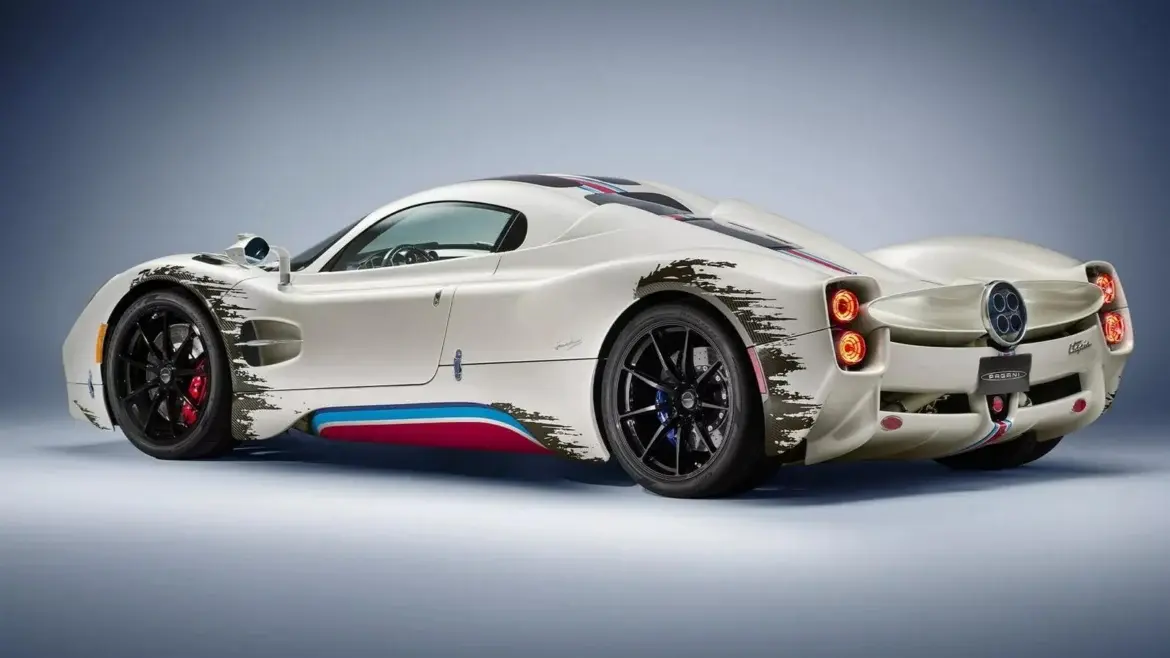
The Coyote Arrives: A $2.5M Statement in Artificial Decay
Pagani’s latest automotive masterpiece, the Utopia Coyote, has arrived not with polish and pristine gloss, but with a patina of intentional imperfection. Priced at 2.5 million dollars and limited to just 99 examples, the Coyote is one of the most controversial hypercars in recent memory. The controversy stems not from what it does, but from how it looks. Finished in a weathered livery designed to mimic the bruises of motorsport, it arrives factory-aged, sporting paint scuffs, edge wear, and faux grime. All of it is meticulously applied by hand. To some, it is a provocative art piece. To others, it is a blemish on a flawless canvas.
This car marks the third Pagani owned by a private yet evidently influential collector. Although the identity of the owner remains unknown, their loyalty to the Italian marque is clear. The Utopia itself is Pagani’s third all-new model since the company’s founding. It follows the Zonda and the Huayra, each of which has already achieved iconic status in the world of mechanical artistry. Unlike its predecessors, the Utopia is presented with a worn-in look, even though most of these cars will never touch a racetrack or see a rainy day.
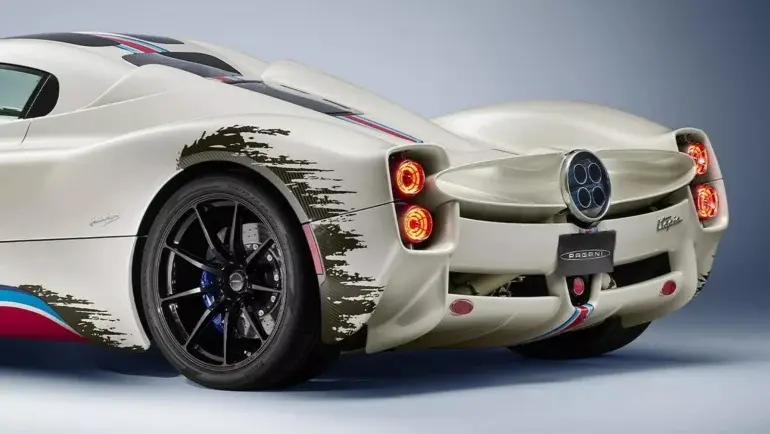
The design choices are bold and deliberate. Inspired in part by vintage Martini Racing liveries, the Coyote’s paint layers Rosso Monza, turquoise, and deep blue graphics over a pale Bianco Benny base. This shade is named after Pagani’s first-ever client. The hand-applied distressing exposes carbon weave beneath the surface, especially around the wheel arches, splitter, and rear fenders. Pagani describes the aesthetic as a fleeting glimpse of a livery shaped by endurance. It is untamed, imperfect, and alive. The philosophy behind it challenges conventional hypercar design by welcoming imperfection instead of resisting it.
Beneath the Distress: Power, Precision, and Purpose
While the livery may divide opinion, the engineering underneath remains unmistakably Pagani. The Utopia is powered by a handcrafted 6.0-liter twin-turbo V12 built by Mercedes-AMG. It produces 852 horsepower and 811 pound-feet of torque. The car accelerates from zero to sixty miles per hour in just over three seconds. Its soundtrack and driving character are everything one expects from a 12-cylinder engine. Thanks to Pagani’s carbo-titanium monocoque, the car weighs just over 3,100 pounds, delivering a driving experience that matches its dramatic appearance.
Despite its worn appearance, the Coyote’s components are brand-new and high-performance. The engineering team adapted suspension technology from the Huayra R to give the Utopia precise handling while maintaining comfort for road use. The steering system remains hydraulic, offering direct and tactile feedback. This was a conscious choice in an era dominated by electronic steering. The seven-speed automated manual transmission stays true to the purist driving experience. It is raw in feel but surprisingly usable for long-distance touring. The result is a car that blends track capability with long-haul refinement.
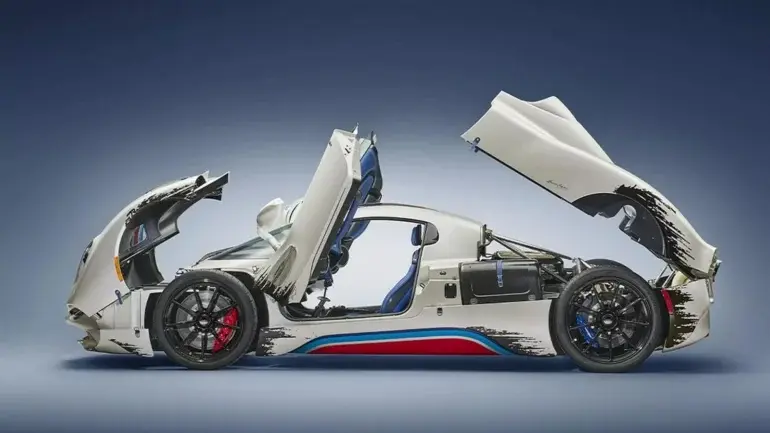
Pagani is no stranger to visual drama. The brand has previously offered exposed carbon bodies, radical one-off builds, and racing specials that celebrate individualism. The aged appearance of the Coyote, however, takes this approach even further. It is similar to commissioning a bespoke Italian suit with frayed edges. The message is that character matters more than convention. For a company so rooted in craftsmanship, the patina is not a marketing gimmick. It is a philosophical declaration.
Beauty, Backlash, and the Culture of Collecting
Reactions to the Coyote have ranged from admiration to confusion. Critics compare the distressed finish to rust-wrap trends and budget tuner culture. Some argue that the look does not belong on a hypercar with a price tag in the millions. Supporters, on the other hand, view the design as a natural evolution of Pagani’s artistic vision. They believe it reinforces the brand’s identity as a maker of expressive, mechanical art. The conversation surrounding the Coyote has become part of its appeal and will likely extend far beyond the end of its production run.
There is also a striking contradiction at play. The car looks as though it has endured years of competitive racing, yet it will likely spend its life in sealed trailers, under showroom lights, and in private garages. It may never collect a single rock chip or be driven through the rain. In this way, the Coyote becomes a form of theater. It plays the role of a battle-hardened veteran while living the life of a treasured artifact. For many, that contrast is exactly what makes it fascinating.
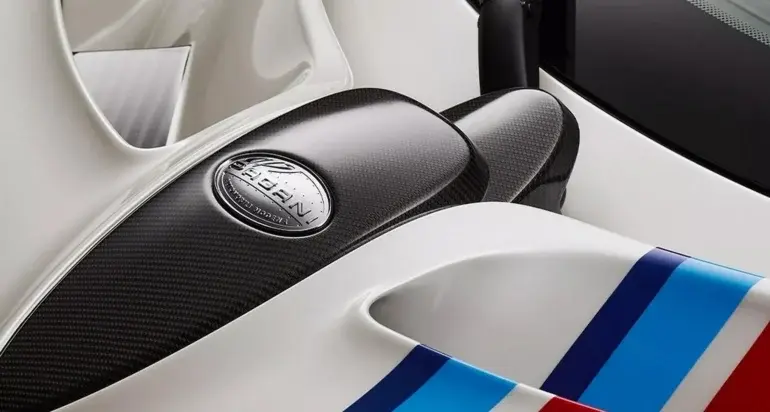
At its core, the Pagani Utopia Coyote challenges the idea that luxury must always appear pristine. Instead, it shows that beauty can be flawed, unpredictable, and emotionally charged, as long as those qualities are intentional. Like pre-distressed denim or aged leather, this hypercar treats imperfection as a design element. Pagani’s goal is not just to build the fastest or most exclusive cars. The company wants to ask a deeper question: what if imperfection itself is part of the art?