A Summer in Monaco Meets a Costly Misstep
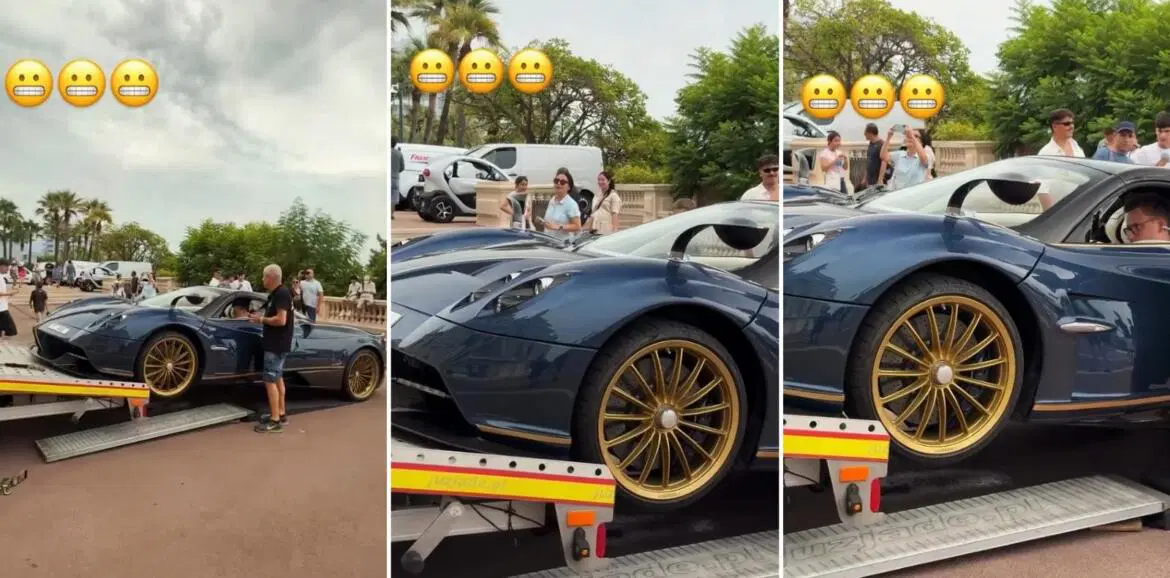
For one Monaco resident, the arrival of summer was meant to be heralded by the gleam of a hypercar unlike any other. Instead, it began with the sickening sound of carbon fiber meeting asphalt. A $3.5 million Pagani Huayra Roadster, an icon of Italian engineering, was being unloaded from a delivery truck when the loading ramp gave way, sending the limited-edition vehicle tumbling backward. What should have been a celebratory delivery became an expensive accident, witnessed by stunned bystanders in one of the world’s wealthiest enclaves.
The Huayra Roadster is no ordinary supercar. Hand-built in Pagani’s atelier, it embodies both aesthetic audacity and mechanical force, boasting a Mercedes-AMG 6.0-liter twin-turbocharged V12 that delivers 754 horsepower. It can surge from zero to sixty in just 3.1 seconds and soar to a top speed of 210 miles per hour. Lightweight construction at 2,756 pounds dry comes courtesy of Pagani’s mastery of carbon fiber and titanium composites, making the car even lighter than the coupe on which it is based.
That lightweight construction is what now makes the damage so devastating. The Huayra’s carbon-fiber panels are notoriously difficult and costly to repair, with each section demanding specialized expertise. Even a minor impact can translate into repair bills equivalent to a year’s salary for many, and with blue carbon fiber finishes like this example, restoration requires an even rarer level of craftsmanship. The incident underscores a painful reality for hypercar ownership: engineering brilliance brings with it astronomical fragility.
The Value of Rarity and the Price of Protection
The Pagani Huayra Roadster entered the market with an original price of $2.4 million, but scarcity has since driven its value well beyond that figure. With just 100 units produced worldwide, demand has long outstripped supply, and collectors who secure one often hold onto it not only as a driving machine but as an appreciating asset. For many, the car is as much an investment as it is an indulgence, with market values climbing steadily since production ceased.
Insurance reflects this exclusivity. Coverage for hypercars regularly exceeds the already steep premiums of high-end supercars. Where a Bugatti Chiron might cost $50,000 annually to insure, a Pagani Huayra Roadster can easily reach between $50,000 and $75,000 depending on policy specifics. Premiums account for not only the car’s staggering price tag, but also the difficulty of sourcing replacement parts and the limited number of specialists able to restore such a machine. For the owner in Monaco, this accident will likely trigger not just an insurance claim, but months of negotiation, valuation, and delicate repair.
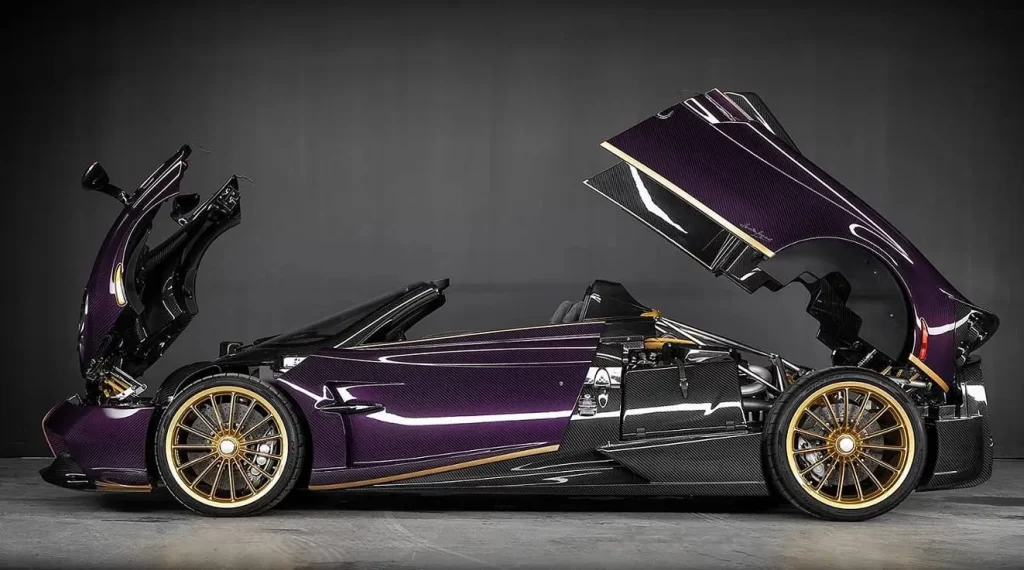
What makes this episode particularly striking is the intersection of rarity and repair. Unlike mass-produced vehicles, a damaged Pagani cannot simply be replaced at a dealership. Each car is bespoke, often customized to the original owner’s specifications. That means even the process of restoration involves a return to Pagani’s workshops in Modena, where artisans may need to reconstruct components by hand. In the world of hypercars, exclusivity is both a badge of honor and a burden.
A Painful Reminder in the Playground of the Elite
In Monaco, a place where the sight of Ferraris and Lamborghinis is almost commonplace, the fall of a Pagani Huayra Roadster still makes waves. Beyond its sticker price, the car represents the pinnacle of boutique engineering, a fusion of art and science rarely seen even in a city defined by opulence. The accident serves as a reminder that the pursuit of perfection often comes with extraordinary risk, and that the more rarefied the object, the higher the stakes when something goes wrong.
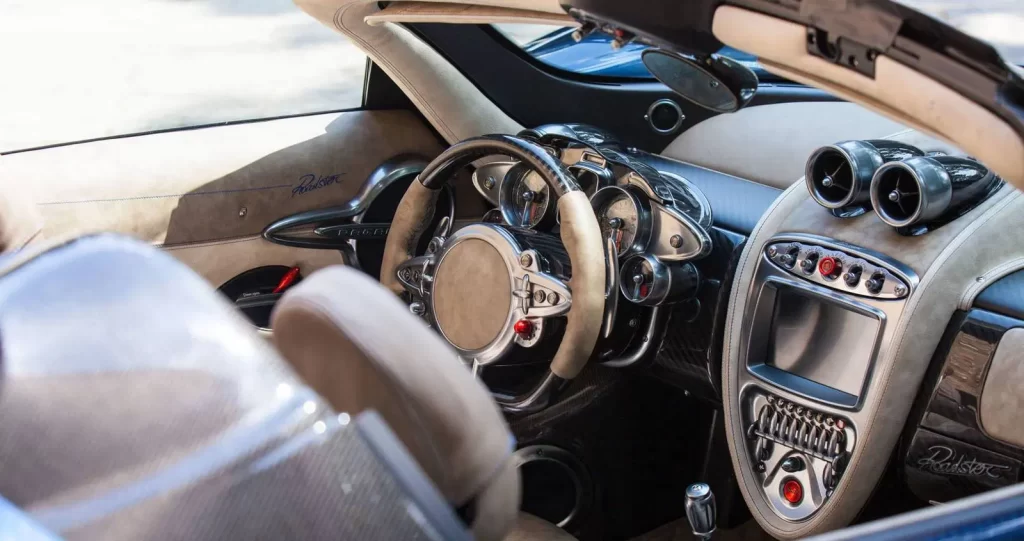
The exclusivity of Pagani ownership only sharpens the sting. With production capped at 100 units, the Huayra Roadster was never intended to be merely another entry in a billionaire’s garage. Each one was the result of years of development and a personal relationship with Horacio Pagani’s team. Owners join a very small circle of collectors whose loyalty to the brand is rewarded with access to its rarest creations. To see such a vehicle tumble from a truck ramp is to watch not only money, but prestige, momentarily slip away.
Ultimately, this mishap is more than a cautionary tale of a botched unloading. It is emblematic of the fragile balance between wealth, exclusivity, and the unpredictability of life, even for the world’s most prized possessions. For the unlucky owner, summer in Monaco may now be measured not by leisurely drives along the Riviera, but by the long and costly wait for artisans in Italy to breathe life back into a fractured masterpiece.