Labor Weakness Drives Policy Shift
The Federal Reserve cut its benchmark interest rate by a quarter percentage point on Wednesday, reducing the federal funds target range to 4%–4.25%. This marked the first adjustment since December, when officials paused after a series of increases aimed at curbing inflation. The decision reflects the growing importance of employment concerns, with policymakers acknowledging that conditions in the labor market are deteriorating. The vote was decisive, with 11 out of 12 Federal Open Market Committee members in favor, underscoring a broad consensus that the time had come to ease policy.
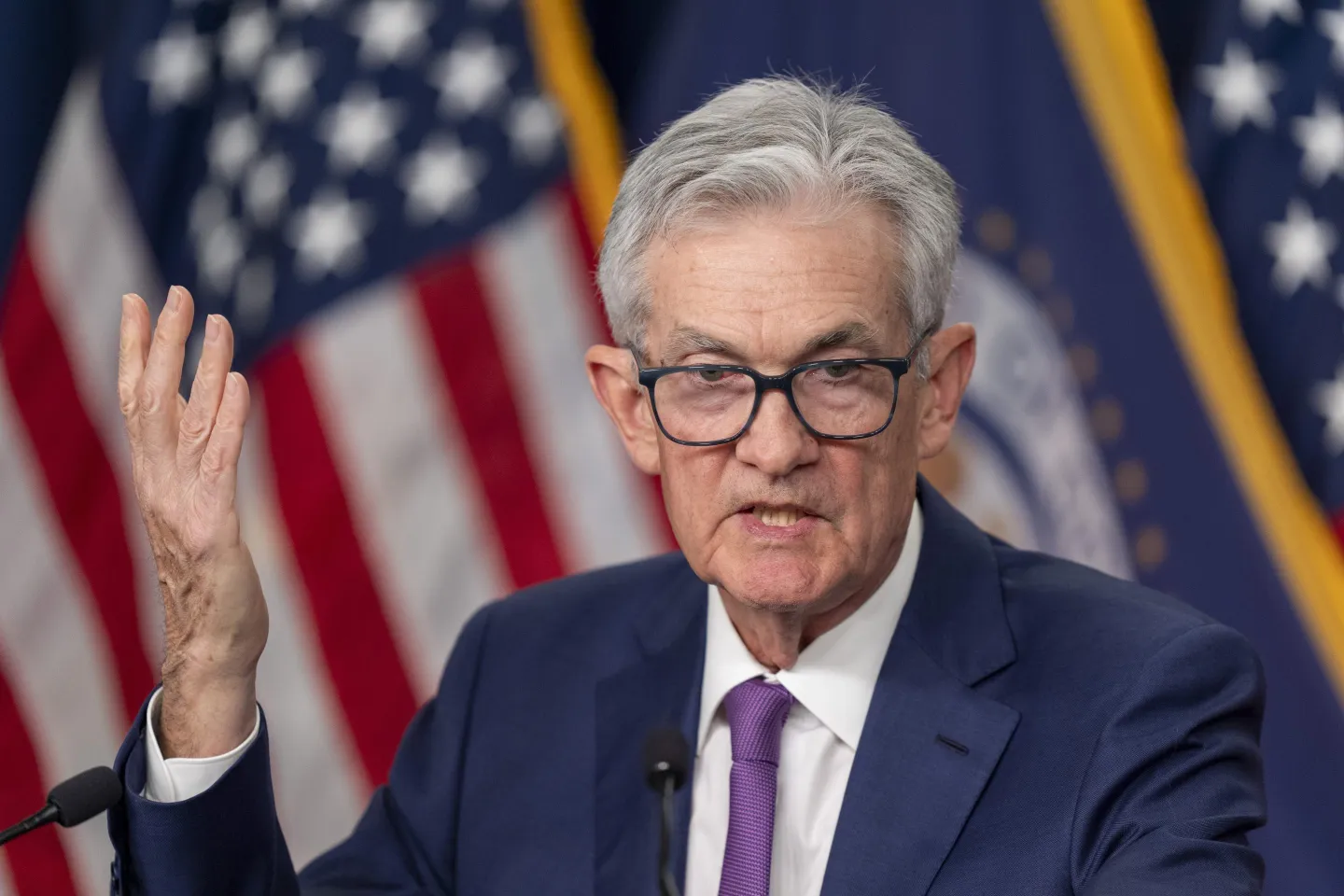
Chair Jerome Powell made clear that the Fed’s assessment of labor conditions had shifted in recent months. He noted that job creation is slowing and no longer meeting the pace needed to keep unemployment steady. “Labor demand has softened, and the recent pace of job creation appears to be running below the break-even rate needed to hold the unemployment rate constant,” Powell said at his post-meeting press conference. He added that he could “no longer say” the labor market is “very solid,” a statement that signals a significant reappraisal of one of the Fed’s central pillars of economic strength.
This shift comes against a backdrop of rising unemployment and slowing hiring trends. Recent data showed the jobless rate climbed to 4.3% in August, the highest level in nearly four years. While still relatively low by historical standards, the increase has unsettled policymakers, particularly as hiring gains have moderated across multiple sectors. The Fed’s move demonstrates a recalibration of priorities: while inflation remains a concern, the risk of continued labor weakness is now front and center in the central bank’s deliberations.
Political Pressure and Policy Debate
The Fed’s decision unfolded under intense political scrutiny. President Donald Trump has consistently pressed for aggressive rate cuts, arguing that looser policy is necessary to support growth and counteract trade-related headwinds. His administration has gone further by seeking to reshape the institution itself, including a legal bid this week to remove a sitting board member and install one of his senior economic advisers. This backdrop has heightened the stakes of the central bank’s latest move and placed Powell in a delicate position.
Two new governors were present at this meeting: Lisa Cook and Stephen Miran. Cook, a longtime academic and economic policymaker, has been an advocate for careful and balanced adjustments. Miran, who is on temporary leave from his role as chair of the White House Council of Economic Advisers, cast the lone dissenting vote in favor of a larger, half-point cut. His dissent highlights the broader debate within the central bank between those urging caution and those advocating for more decisive action in light of slowing growth.
Despite these political crosscurrents, Powell reiterated the Fed’s independence and commitment to its dual mandate of stable prices and maximum employment. He acknowledged that tariffs remain a source of inflationary pressure, but insisted that the committee is treating the issue as a question of risk management rather than politics. “Our obligation is to ensure that a one-time increase in the price level does not become an ongoing inflation problem,” Powell said. His comments underscored the balancing act the Fed now faces: responding to labor market weakness without fueling longer-term inflationary risks.
Market Reaction and Economic Outlook
Markets responded swiftly to the Fed’s announcement and Powell’s remarks. The U.S. dollar, which had been weaker earlier in the day, rebounded as Powell emphasized a measured and cautious outlook. Treasury yields also moved higher, led by the five-year yield, which climbed 6 basis points to 3.65%. Investors read the Fed’s action as a sign that the central bank remains alert to growth risks but is not prepared to embark on a rapid or large-scale easing cycle.
The updated economic projections offered more detail on the committee’s thinking. Policymakers now expect two additional quarter-point cuts this year, compared with just one projected in June. They also foresee smaller cuts extending into 2026 and 2027, suggesting that the path of monetary policy will be gradual. One official projected a steeper decline, with rates falling by a full 1.25 percentage points by year-end, though that outlook remains an outlier. Overall, the projections reflect both the uncertainty of the current economic environment and the Fed’s desire to preserve flexibility.
Inflation remains a central concern even as the Fed turns its focus toward employment. The central bank’s preferred inflation gauge, the personal consumption expenditures index, rose 2.6% over the 12 months through July, with analysts expecting August to bring another increase. While some officials believe the impact of tariffs will fade, others worry the effects could persist, pushing prices higher for longer. Governors Christopher Waller and Michelle Bowman have argued that rates should be cut more aggressively to return to a neutral stance, while other policymakers remain wary of moving too quickly. This divergence highlights the challenges the Fed faces in charting a path that addresses both sides of its mandate.