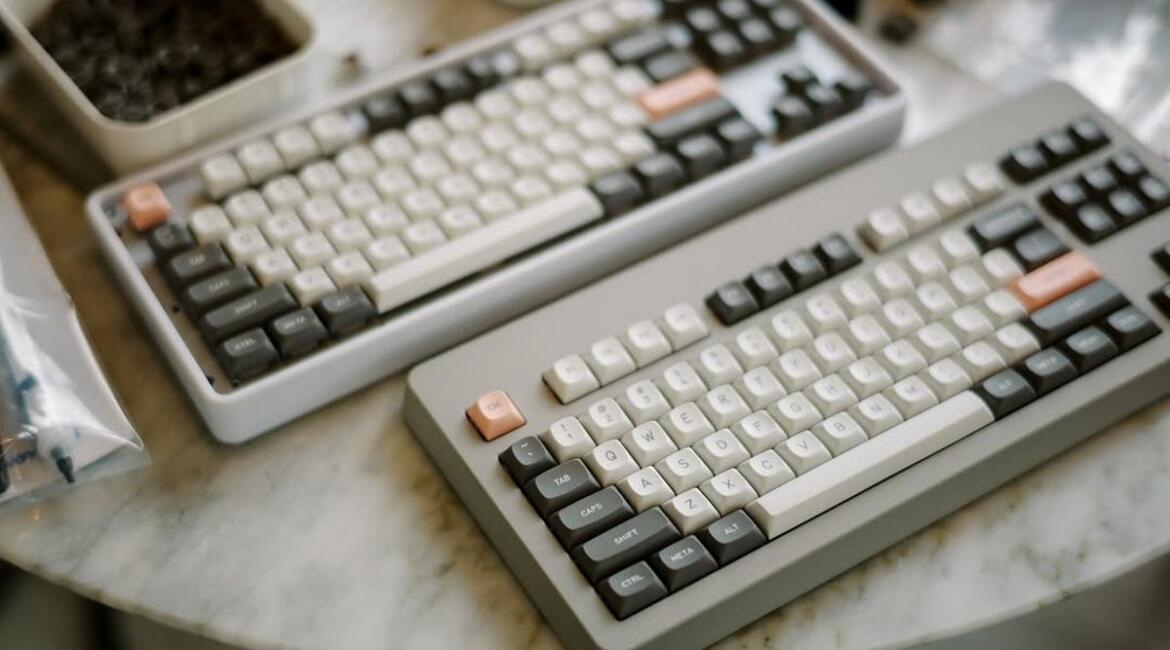
A Cult Object of Desire
The Seneca, designed by Ryan Norbauer, is redefining the concept of everyday technology. Priced at $8,000 and commanding a waitlist that stretches to nine months, this hand-assembled keyboard has transcended its utilitarian purpose to become a cultural phenomenon. Admired by Silicon Valley’s elite, it represents not only a piece of advanced engineering but also an emblem of exclusivity, where the act of waiting becomes part of the luxury experience.
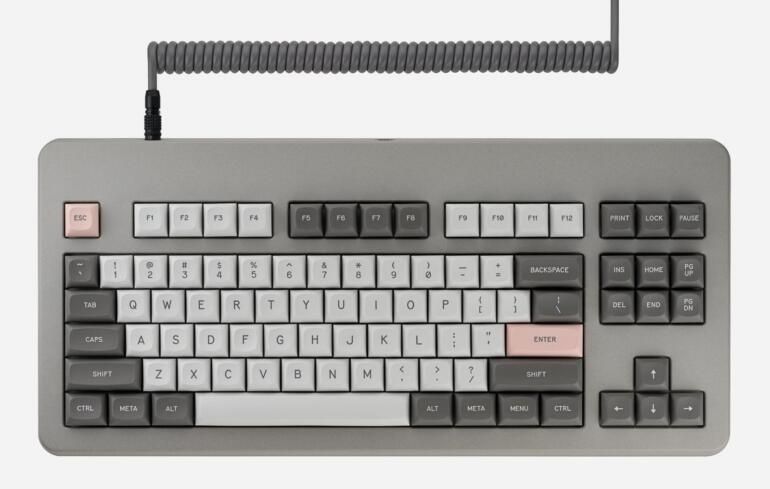
Unlike traditional tech products that focus on specifications and performance benchmarks, the Seneca follows a philosophy of joy and artistry. Norbauer himself describes it as “a keyboard dream from the future,” and its allure lies as much in its scarcity as in its design. The nine-month waitlist, noted even by Tom’s Hardware, underscores the ritualistic nature of its acquisition, placing the keyboard within the same cultural space as objects of fashion and heritage.
The comparison to the Hermès Birkin handbag is inevitable. Just as the Birkin has become shorthand for exclusivity in the fashion world, the Seneca has emerged as the keyboard that symbolizes connoisseurship in technology. Its rarity, high cost, and mythology of acquisition create a narrative where owning one is not simply a matter of purchase but of belonging to an elite community.
The Ritual of Scarcity
At the heart of the Seneca’s mystique is the deliberate cultivation of scarcity. Norbauer employs a deposit-based waitlist system that ensures supply never exceeds demand, echoing Hermès’ famously opaque allocation process for the Birkin. This method transforms ownership into a privilege, where anticipation and patience become part of the experience. In an era of instant gratification, the Seneca asserts that true luxury lies in waiting.
This strategy has given rise to a thriving secondary market. Earlier Norbauer keyboards already command significant premiums, demonstrating that the cultural cachet of the Seneca extends beyond the initial transaction. Collectors are not only willing to wait months but also to pay multiples above retail, reinforcing the sense of the keyboard as an appreciating asset as well as an object of utility.
The parallels with fashion are striking. Just as Hermès maintains scarcity to heighten desirability, the Seneca thrives on its limited availability. For its growing circle of devotees, the keyboard is more than a tool; it is a marker of taste, patience, and access to a carefully guarded tradition of craftsmanship.
Craftsmanship at the Core
Every Seneca is hand-assembled, tuned, and tested by a single artisan, a process that ensures consistency, individuality, and artistry. This atelier-style approach directly mirrors Hermès, where a Birkin bag is created by one craftsperson working from start to finish. The philosophy is the same: complete attention to detail, rejecting efficiency in favor of mastery.
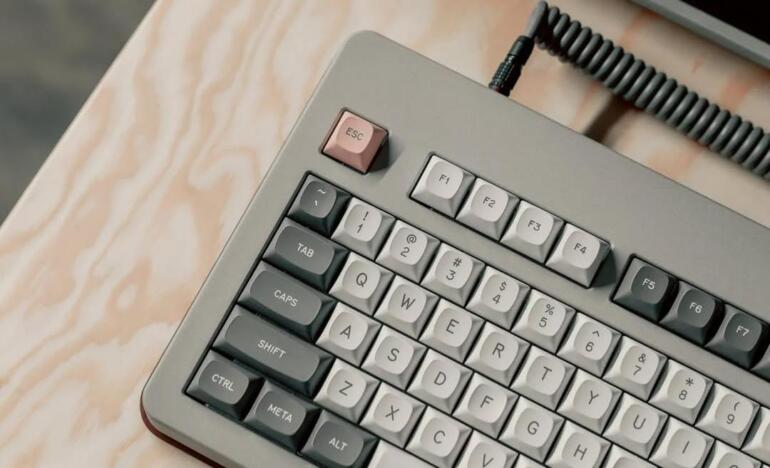
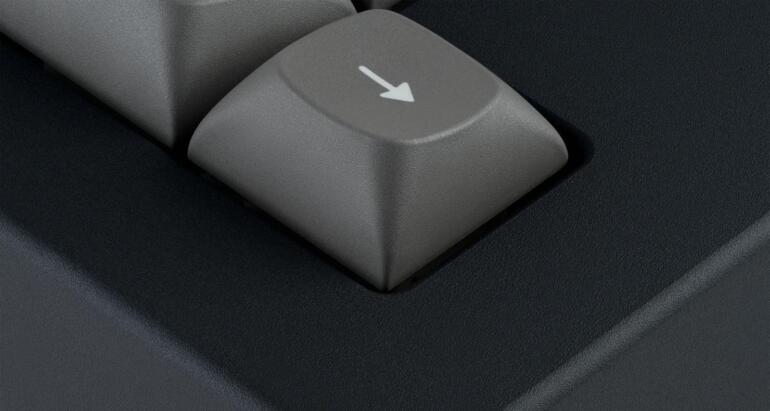
The 682 custom-machined parts that make up the Seneca speak to this commitment. Norbauer avoids off-the-shelf components, instead designing each element with precision and purpose. This devotion to craftsmanship extends even to the smallest screw, establishing the Seneca as a creation where every detail matters. It is an uncompromising approach that sets it apart in a world dominated by mass production.
Material choices elevate the experience further. Aluminum housings undergo a plasma ceramic treatment, producing a matte finish in tones such as Travertine, Oxide Gray, and Heatshield. For those who seek true rarity, the Veracity Titanium option delivers the uncoated, raw allure of blasted titanium. Complementing this foundation is a thick brass switch plate with a silver chrome finish, enhancing weight and resonance. The ensemble is completed by German-made double-shot PBT keycaps in a retro sculpted profile, a nod to the earliest days of personal computing.