A CEO Behind the Wheel
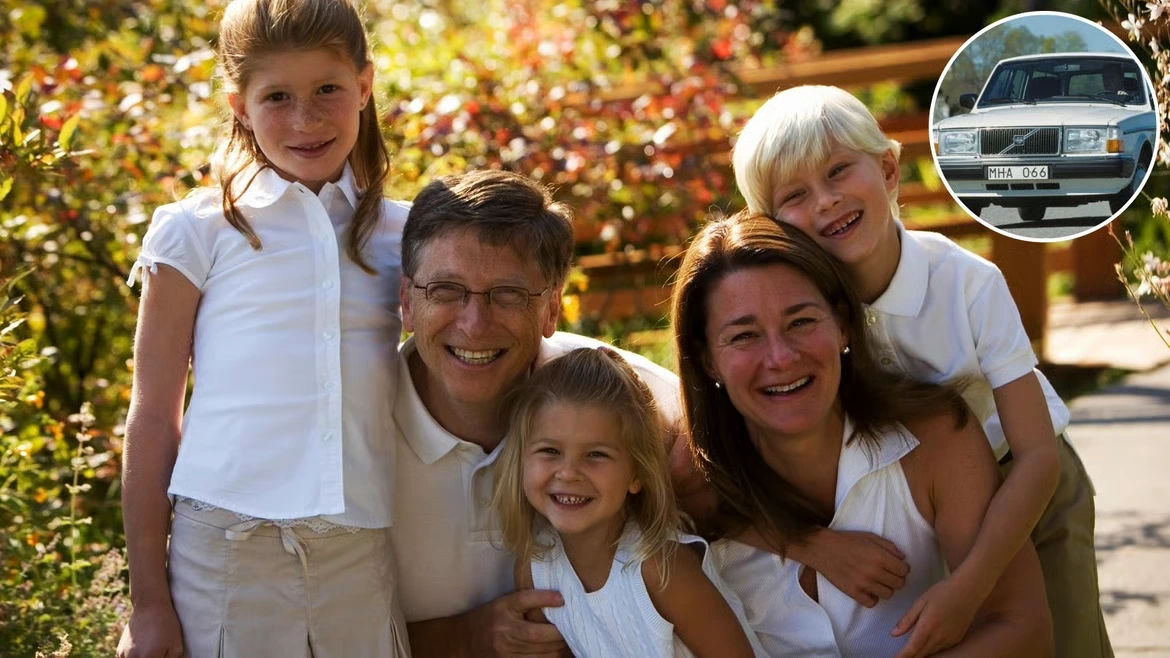
Bill Gates is often remembered as the visionary co-founder of Microsoft, a pioneer of the digital age, and one of the wealthiest men alive. Yet during some of the most demanding years of his career, he embraced a daily ritual that placed him not in a boardroom but behind the wheel of a family car. Several mornings each week, he drove his eldest daughter Jennifer to kindergarten, a commitment that required a forty-minute commute before returning to Microsoft headquarters. This simple act, surprising in its ordinariness, became one of the most defining demonstrations of balance between global influence and personal responsibility.
The choice was not without resistance. Melinda Gates recalls urging her husband to delay Jennifer’s enrollment until the school commute became more manageable. Bill was unmoved. “He was really quite adamant,” Melinda said. “And he said, ‘I’ll drive them.’” The decision startled her, considering the immense weight of his corporate responsibilities. But in Gates’s view, leadership at home was as significant as leadership in the world of technology. By pledging to take the wheel, he asserted that even a man commanding one of the world’s most important companies could still prioritize the morning school run.
This commitment soon evolved into something much larger than family logistics. By showing up at the kindergarten gate, Gates altered the daily rhythm of drop-off. Other mothers began noticing the ripple effect: more fathers were appearing each morning. Their reasoning was simple. If the CEO of Microsoft could dedicate time to driving his daughter to school, then so could they. A quiet cultural shift had taken root, challenging traditional divisions of parental roles and reshaping expectations within the community.
Redefining Domestic Balance
What began as a personal commitment to fatherhood soon became a symbol of shared responsibility. Melinda Gates reflects on how this choice illustrated the broader issue of domestic labor, which too often falls disproportionately on women. School runs, household chores, and daily errands remain invisible forms of work that can limit professional opportunities for women. By driving Jennifer himself, Bill Gates was not only supporting his wife but also modeling an alternative to entrenched expectations of gendered roles.
This balance was not lost on those around him. Mothers at the school noticed the changing dynamic and openly discussed it with Melinda. “They said, ‘Hey, do you see what’s changing in the classroom?’” she recalled. The implication was clear: Gates’s visible presence in a task traditionally handled by mothers was influencing behavior across the school community. Fathers who might otherwise have left such responsibilities to their partners began participating, spurred by the example of a man whose global reputation left no excuse for absence.
For the Gates family, the significance of those commutes transcended practicality. The car rides became treasured moments of connection. Music, conversation, and shared experiences unfolded during those early drives, creating memories that would not have existed otherwise. For Gates, the commute was not a burden but an opportunity, one that underscored his conviction that success should be measured not only in corporate milestones but also in the intimacy of family rituals.
A Lifelong Passion for Driving
Bill Gates’s story of school runs also intersects with another enduring theme of his life: his fascination with automobiles. Even beyond the kindergarten commute, cars became a thread woven into his personal narrative. At one point, he sought to buy a bulletproof Mercedes-Benz station wagon for his children, only to be turned away by the dealership for an unusual reason. Unfazed, Gates simply crossed the street and purchased a Volvo instead, a moment that revealed both his persistence and his understated practicality.
His passion for driving has endured across decades and across vehicle types. Today, Gates owns a Porsche Taycan EV, a choice that reflects his interest in sustainability and innovation in clean technology. Yet his history with automobiles stretches much further back, to the early days of Microsoft when he owned a Porsche 911 Turbo. That car once led to a night in jail after he was caught speeding, an episode that highlighted the exuberance of his early success and his restless energy behind the wheel.
Perhaps most famously, Gates played a pivotal role in changing U.S. import laws for rare cars. When the Porsche 959 was banned from American roads, he lobbied to alter the legislation, ultimately allowing collectors to bring the vehicle stateside. In this way, his passion for driving extended beyond personal enjoyment to shaping regulations themselves. From school commutes that challenged cultural norms to lobbying efforts that reshaped automotive policy, Gates’s relationship with cars reflects a lifelong pursuit of both practicality and passion.