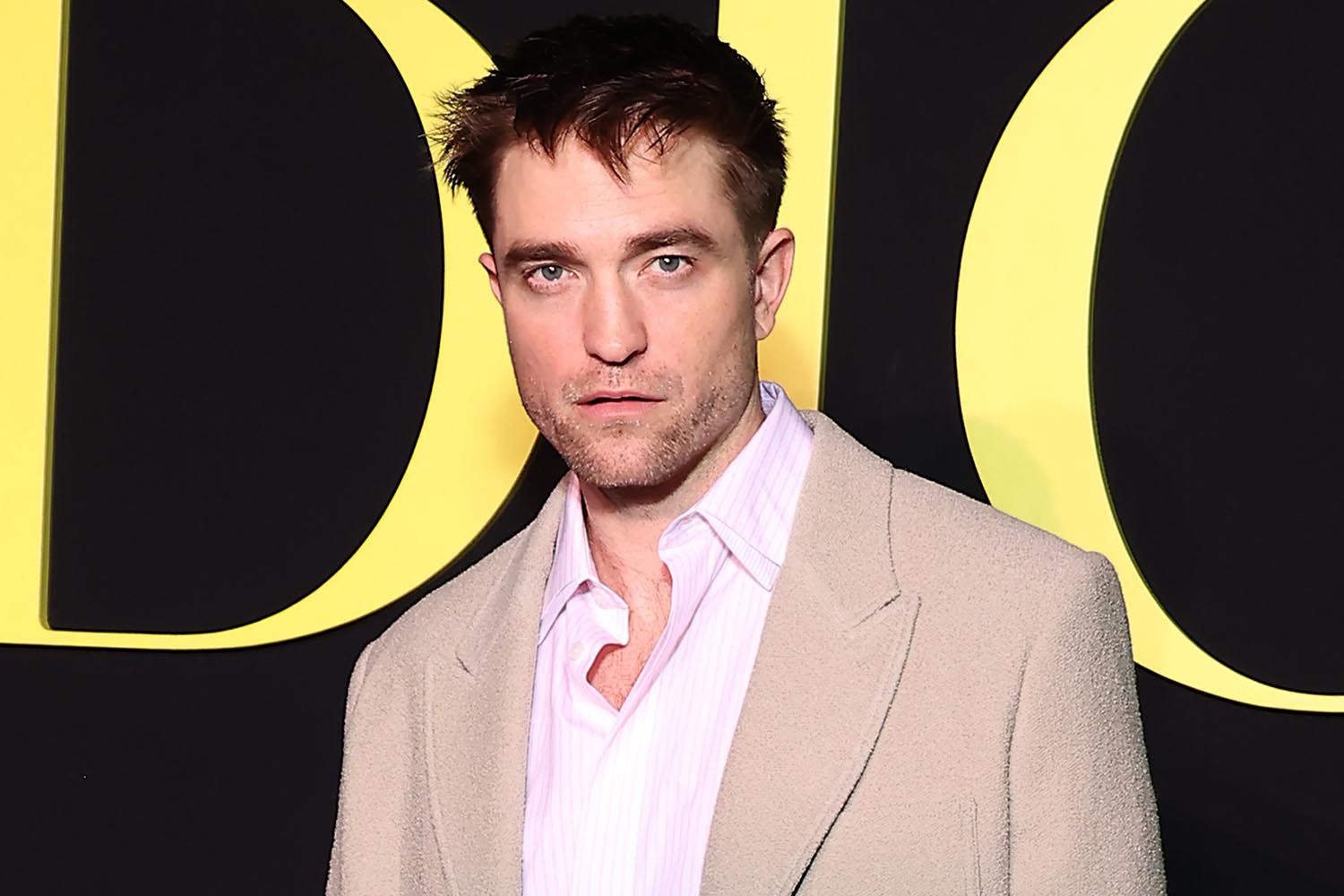
Robert Pattinson recently addressed lingering criticism of the Twilight franchise during an interview with GQ Spain. The actor, who skyrocketed to fame as Edward Cullen in the 2008 hit film, seemed amused by critics who still blame the series for “ruining the vampire genre.” Despite grossing $3.3 billion worldwide and cementing both Pattinson and co-star Kristen Stewart as global icons, the franchise remains divisive among fans and detractors alike.
“I love how people still come up to me and say, ‘Man, Twilight destroyed the vampire genre,’” Pattinson remarked. “Are you seriously still on that? How can you be upset about something from nearly 20 years ago? It’s ridiculous.” His candid response underscores his perspective on how Twilight has evolved from a cultural juggernaut to a polarizing memory for some.
Rather than dwell on the criticism, Pattinson has embraced Twilight’s legacy, often with a sense of humor. His remarks highlight his ability to move beyond the backlash while recognizing the lasting impact the series had on both his career and pop culture.
Pattinson’s Darker Take on ‘Twilight’
During Twilight’s production, Pattinson envisioned a much darker and moodier interpretation of the story. At just 21 years old, he channeled his youthful angst into his portrayal of Edward Cullen, though his creative vision often clashed with the studio’s direction.
“I wanted to make it as artsy as possible,” Pattinson shared in a 2022 GQ interview. “There was this weird tension where the studio was afraid to lean too emo with it. But to me, that was the only way to play it.” The actor admitted to feeling frustrated on set, frequently second-guessing his own performance.
His managers eventually stepped in, warning him to dial it back. “They literally told me, ‘If you don’t stop what you’re doing, you’ll be fired by the end of the day.’” Though Pattinson ultimately adjusted his approach, his original vision for a more avant-garde Twilight suggests a radically different take on the iconic series.
Casting Doubts and a Studio Overhaul
Before Pattinson became synonymous with Edward Cullen, his casting faced significant skepticism. Twilight director Catherine Hardwicke recently revealed on the Happy Sad Confused podcast that even the studio had its doubts about his suitability for the role.
“When he first came to my house, he had these shaggy black bangs and wasn’t exactly in peak shape—he’d been spending a lot of time at the pub,” Hardwicke recalled. Still, she saw potential during his chemistry reads with Kristen Stewart. “I had to be certain. In person, I got caught up in the moment, but I needed to make sure it translated on screen.”
Hardwicke had to persuade the studio to take a chance on Pattinson. “They called me and asked, ‘Do you really think you can make this guy look good?’” she recounted. “And I said, ‘Are you kidding? Have you seen his cheekbones?’” With a studio-mandated makeover and fitness regimen, Pattinson transformed into the brooding Edward Cullen, ultimately proving the skeptics wrong.
Defying Fan Expectations
When Twilight was announced, many fans were less than thrilled with Pattinson’s casting. Readers had envisioned other actors in the role—most notably Henry Cavill, whom Twilight author Stephenie Meyer had publicly declared as her ideal Edward. However, Hardwicke felt Cavill looked too mature to convincingly play a high schooler.
Meanwhile, Pattinson was far from the conventionally handsome Edward fans had imagined. Hardwicke’s decision to cast him over more traditionally good-looking candidates initially puzzled audiences, but her gamble paid off. Pattinson’s distinctive look and layered performance ultimately redefined the character, making him one of the most recognizable figures in modern pop culture.
By challenging fan expectations, Pattinson demonstrated that chemistry and artistic vision can lead to unforgettable casting choices. Though his portrayal was divisive at the time, it became an integral part of the Twilight phenomenon.
The Lasting Impact of ‘Twilight’
Nearly two decades after Twilight first hit theaters, Pattinson has built a diverse career, earning critical acclaim for roles such as Batman in The Batman. Yet, Twilight’s legacy endures, with ongoing debates about its influence on the vampire genre and pop culture at large.
For Pattinson, the franchise serves as both a pivotal career milestone and a source of lingering curiosity. Despite initial backlash, Twilight continues to captivate audiences, fostering a dedicated fanbase and introducing new generations to the saga.
Pattinson’s ability to laugh off criticism and reflect on his journey from reluctant teen heartthrob to respected actor underscores his growth over the years. Whether loved or loathed, Twilight’s impact on Pattinson’s career—and the entertainment industry as a whole—is undeniable.