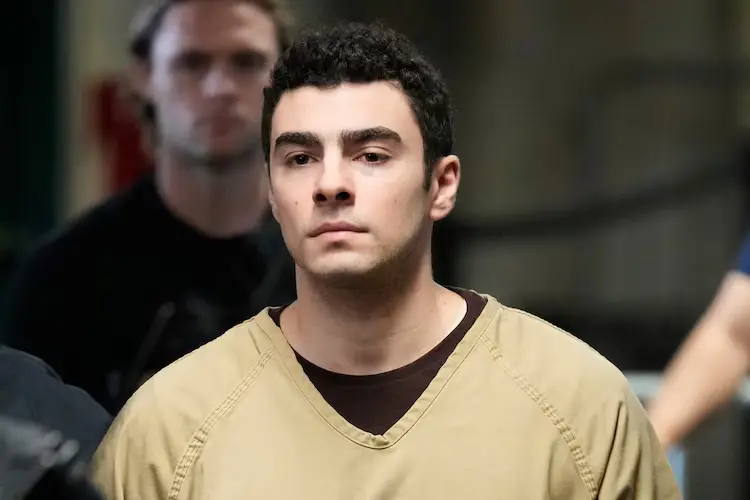
It was a bombshell morning in Manhattan. A New York judge dropped two terrorism charges against Luigi Mangione, the man accused of killing UnitedHealthcare CEO Brian Thompson. But the courtroom stayed tense as one major charge refused to fall away. Murder is still on the table, and the stakes remain deadly serious.
Terror Charges Collapse in Court
Judge Gregory Carro ruled that prosecutors failed to prove terrorism applied in this case. He said the evidence did not meet the state’s legal definition of terrorism. Prosecutors pointed to Mangione’s writings, claiming they showed a political motive. But the judge disagreed, saying they fell short of linking Mangione to intimidation of the public. The law requires proof of intent to pressure government or terrorize society. Carro wrote that no such evidence was presented in the hearing. With that, the terrorism counts were officially dismissed.
The dropped charges included first-degree murder under terrorism law. That charge could have led to life in prison without parole. Prosecutors had argued for the heaviest possible legal outcome. Their theory was that Mangione’s actions were meant to send a wider message. Carro said the evidence simply did not support that theory. He pointed out the lack of government-related demands in the suspect’s writings. The ruling cut off the most severe state charge available to prosecutors.
The ruling left prosecutors with one key charge intact. Mangione will still face trial for second-degree murder. That charge carries a sentence of 15 to 25 years if convicted. Weapons and forgery counts remain as well. Carro rejected the defense’s bid to delay the case. He confirmed that trial hearings will begin on December 1. Mangione stood by his plea of not guilty as the hearing closed.
Murder Charge Still Standing
Mangione is accused of shooting Thompson on a Manhattan street. The attack happened just after 6:45 a.m. on December 4. Thompson was in New York for a business meeting. The CEO was gunned down with three shots in public view. He left behind two children and a top executive role at UnitedHealth Group. The company is the largest health insurer in the country. The killing shocked the city and rattled the healthcare industry.
The arrest followed a five-day manhunt. Mangione was found 300 miles away in Altoona, Pennsylvania. He was captured at a McDonald’s restaurant. Police said he had left a note before his flight. In it, he accused health companies of greed and corruption. Investigators presented the note as part of their terrorism claim. The judge, however, said the note did not meet the required standard. That left only the murder and related charges standing.
If convicted of second-degree murder, Mangione faces decades behind bars. The minimum is 15 years and the maximum is 25. Federal charges add even more danger for him. At the national level, he faces a separate murder indictment. Those charges could lead to the death penalty. That looming risk makes the federal case just as explosive. But Carro said the state trial will move ahead first. The courtroom clock is now counting down to December 1.
Federal Case and Public Reaction
While state prosecutors regroup, federal authorities press on. Mangione is charged with murder at the federal level. That case carries the ultimate punishment if he is convicted. The death penalty is possible, making it one of the most serious trials in years. Carro made clear that the federal case would not slow down state proceedings. He rejected the defense’s request for a trial delay. The parallel tracks now set up two explosive trials ahead. Both will determine Mangione’s future in stark terms.
Outside the Manhattan courthouse, emotions ran high. A small group of Mangione’s supporters appeared. They carried signs with sharp slogans. Placards read “Free Luigi” and “Innocent until proven guilty.” Their presence underscored the tension surrounding the case. Supporters insisted Mangione should not be condemned before trial. Their protest drew attention as reporters swarmed the scene. It was a visible reminder of how divisive the case has become.
Thompson’s death remains the devastating center of this story. He was a father of two, cut down in broad daylight. His leadership role in America’s largest insurer added weight to the tragedy. UnitedHealth Group lost one of its most powerful figures. His killing on a busy street stunned the city at rush hour. The courtroom battle may stretch on for months. But for Thompson’s family, the loss is already permanent.