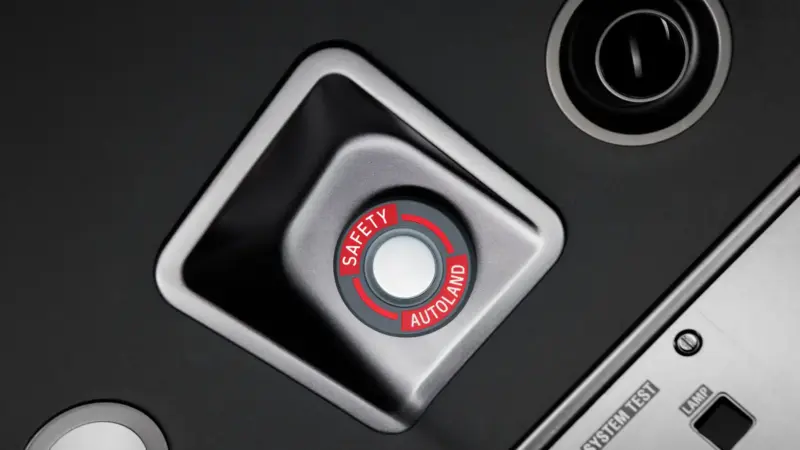
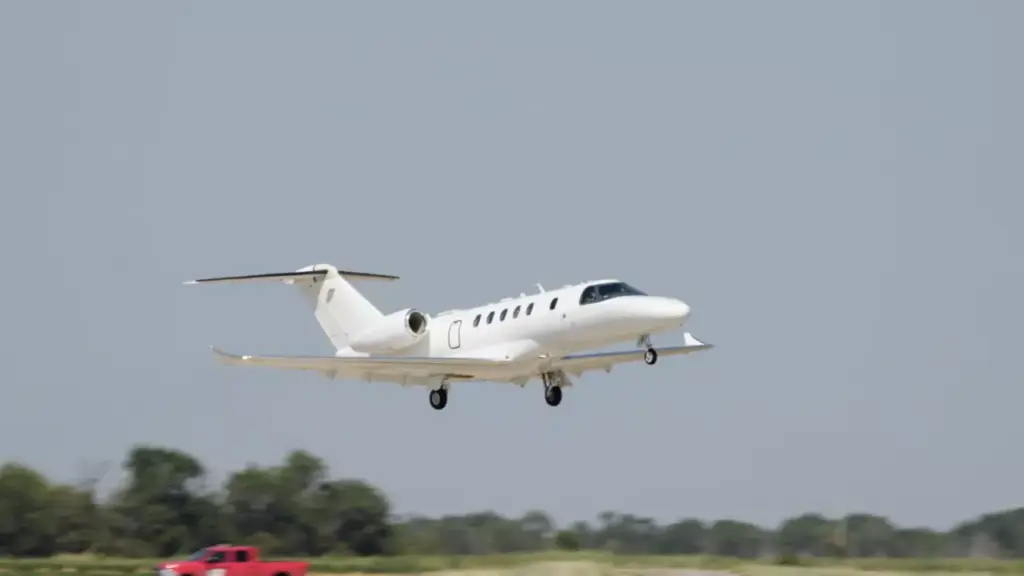
Cessna Citation CJ4 Gen3 tests Garmin Emergency Autoland ahead of FAA approval
Flight test pilots have successfully demonstrated the autonomous landing system that will make the light jet the first in its class to offer the capability.
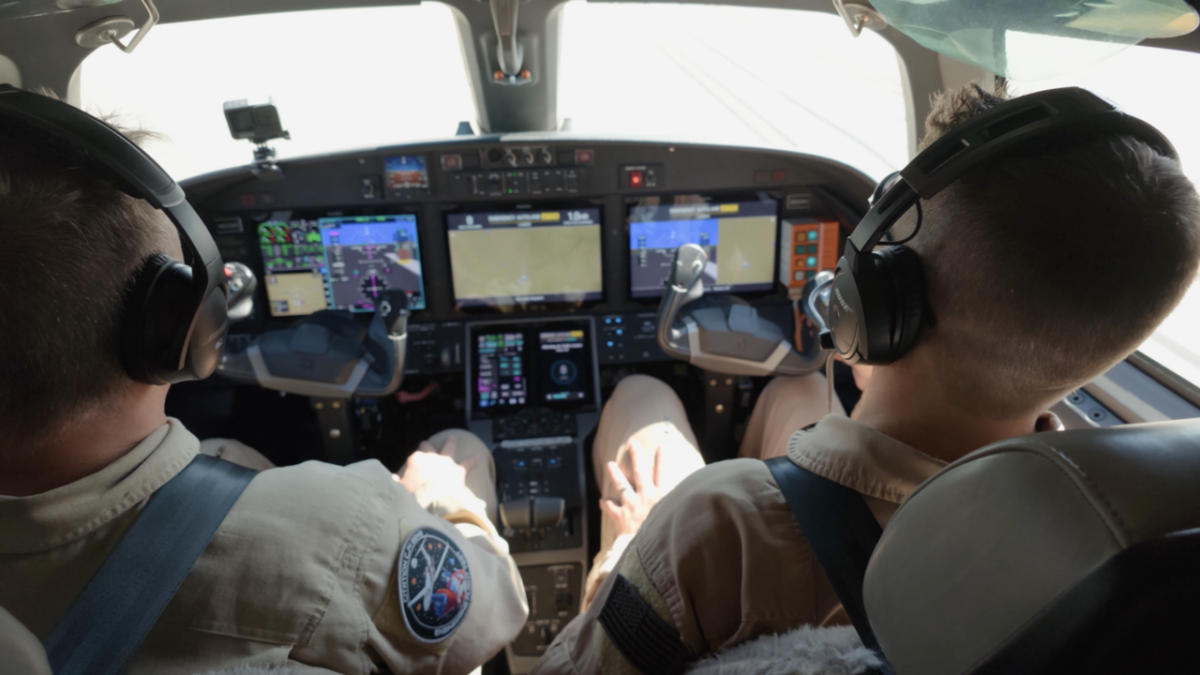
Textron Aviation flight test pilots recently activated the Garmin Emergency Autoland system aboard a Cessna Citation CJ4 Gen3, demonstrating the technology that is expected to make the aircraft the first light jet to offer autonomous emergency landing upon FAA certification, according to the company.
During recent flight tests, Corey Eckhart and James Bearman, both test pilots for the manufacturer, deliberately triggered the system to observe how it managed navigation, communications and landing procedures. The demonstration allowed engineers and pilots to evaluate the technology’s performance in real conditions. “One of the most impressive aspects of the flight was how seamlessly the system operated within the overall flight deck environment,” Eckhart said in a statement from Textron Aviation. “Watching an autonomous system take control of the airplane and safely guide it to a landing in an emergency is remarkable. As a pilot, confidence comes from seeing technology perform exactly as intended, and this test reinforced how Emergency Autoland can provide an additional layer of assurance for both pilots and passengers.”
How the system works
The system operates as part of the CJ4 Gen3’s avionics architecture, which includes the Garmin G3000 PRIME flight deck. This suite is designed to give pilots easier operation of the aircraft, reduce their workload and offer clearer awareness of their surroundings.
Broader flight deck evolution
The Emergency Autoland capability represents one element of the modernized cockpit for the CJ4 Gen3, according to Textron Aviation. The company notes that these systems extend the productivity and performance the Citation family is known for while incorporating new technology. Flight testing gives the manufacturer a chance to examine how different systems interact under genuine operational circumstances as development continues.
Path to certification
The CJ4 Gen3 is advancing through the Federal Aviation Administration certification process with these new technologies integrated into its design. Textron Aviation teams spanning aircraft design, engineering, systems integration and flight testing have worked to develop the autoland capability into a system for customer use. The company expects the aircraft to achieve certification, at which point customers will gain access to the Emergency Autoland feature.
Team effort in innovation
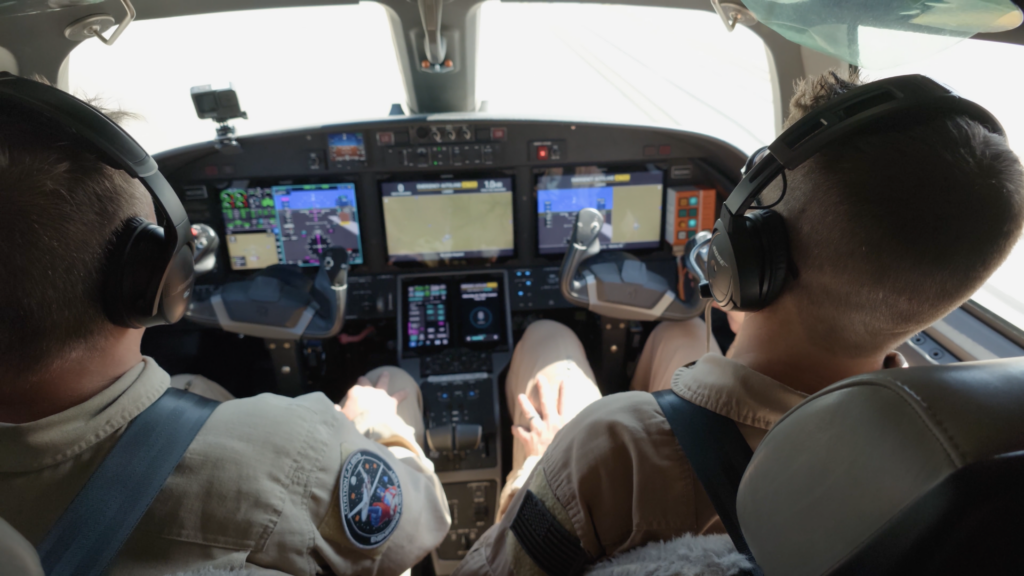
The development program draws on expertise from multiple Textron Aviation departments across design, engineering and flight operations. Test pilots including Eckhart and Bearman are validating how the Emergency Autoland system performs in real-world scenarios, a critical step before certification. Their work is one example of how the company develops new capabilities for customers, according to the announcement.
This article was compiled by the CityLifeBytes editorial desk from the official announcements and reporting listed under Sources.