Pilatus debuts PC-12 PRO simulator with Garmin G3000 PRIME avionics
The Swiss aircraft maker has built a full-cockpit simulator using real flight data to train pilots and validate procedures in conditions unavailable during actual flight.
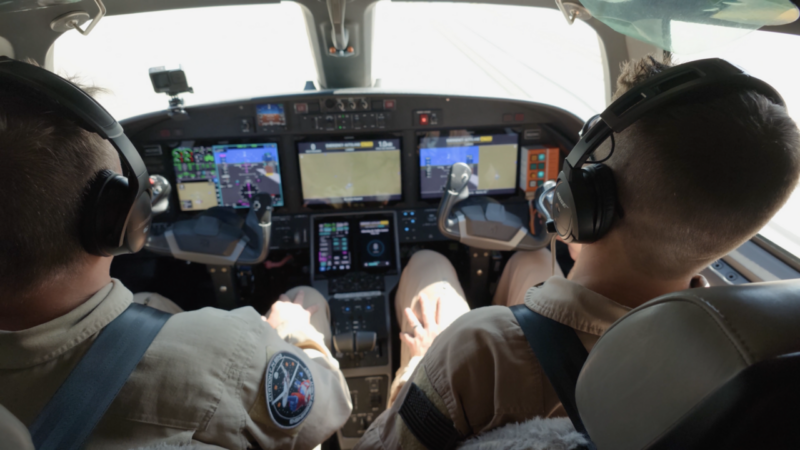
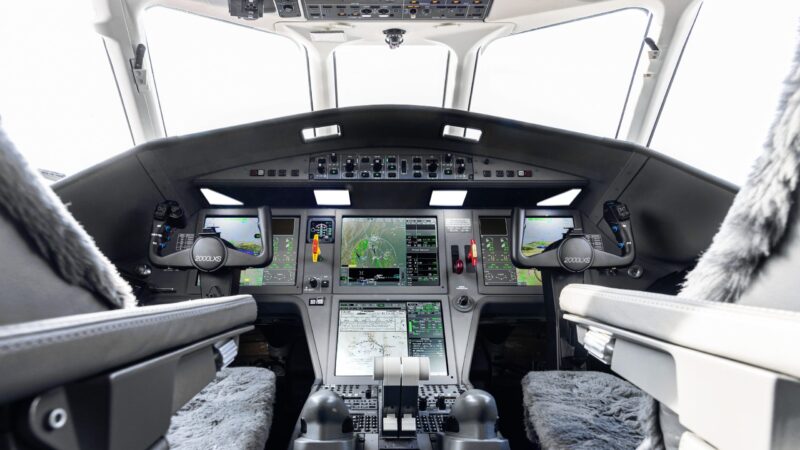
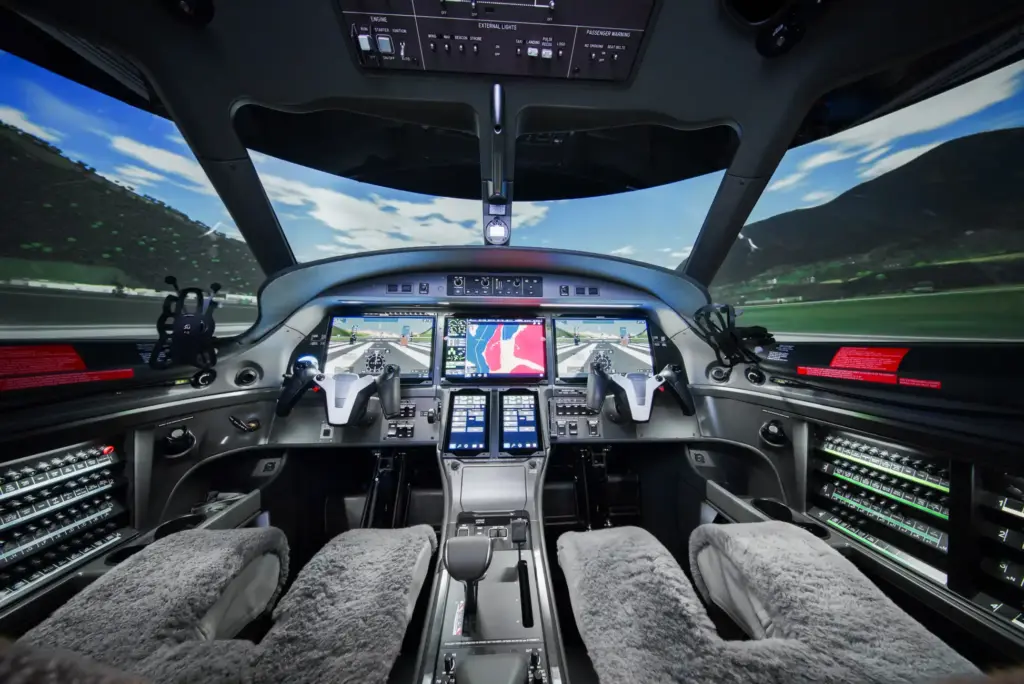
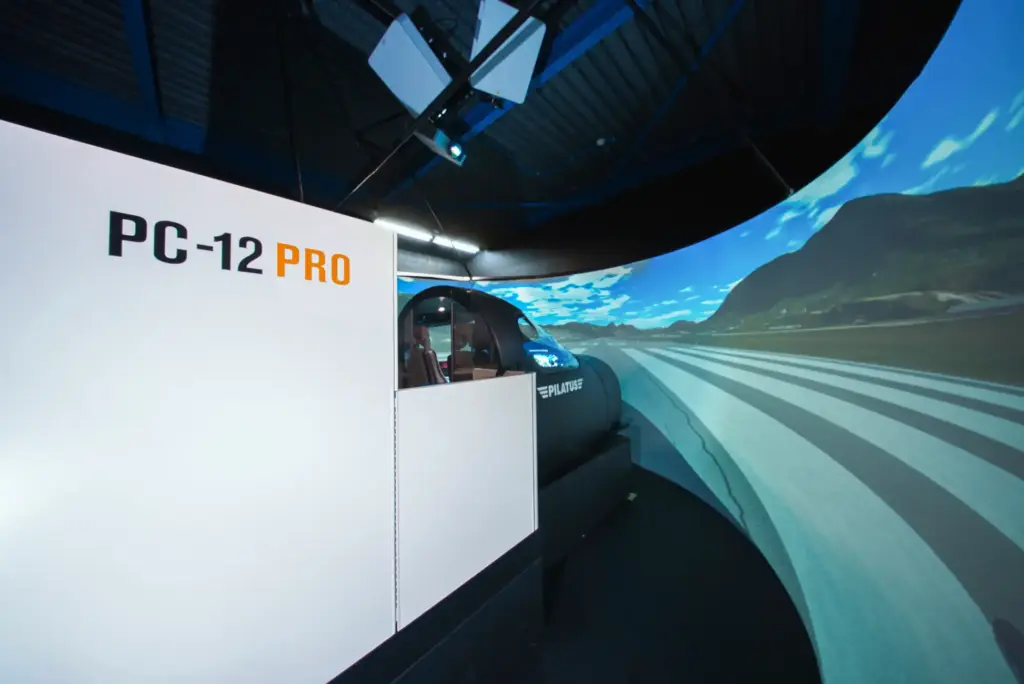
Pilatus has introduced a professional flight simulator of its PC-12 PRO turboprop that faithfully reproduces the aircraft’s cockpit and systems with accuracy derived from flight test data, according to the aircraft maker. At its core sits the Advanced Cockpit Environment (ACE), which integrates the latest generation of Garmin G3000 PRIME avionics—the same suite pilots find in the actual aircraft. This alignment means that crews beginning their transition to the PC-12 PRO will train from day one in the exact environment they will operate in the real world.
The simulator meets strict regulatory certification requirements and serves multiple purposes beyond customer pilot training. Pilatus pilots and technical staff use it regularly for internal development and procedure validation when weather or aircraft availability would otherwise prevent scheduled activities. The simulator is built on flight data that Pilatus has provided and validated, allowing it to replicate handling characteristics, systems logic, cockpit controls, systems failures and weather conditions across the full flight envelope with high precision.
Building deeper systems knowledge
Crews using the simulator do not simply drill isolated procedures; the facility is designed to foster comprehensive understanding of how the PC-12 PRO’s systems function together. Mechanics can practice engine runups and learn to respond to unusual situations—such as unexpected rises in oil temperature during engine startup—that would be unwise or impossible to create deliberately in a real aircraft. Technical staff and pilots work through these scenarios together, analyzing outcomes in a controlled setting.
Training rare and complex situations
The simulator excels at preparing crews for scenarios they may encounter rarely or never in routine operations. Navigational failures during North Atlantic crossings, sudden severe weather shifts requiring urgent decision-making, and fire emergencies can all be trained realistically within the simulator’s walls. Pilatus employs a fog machine to render fire scenarios with added sensory realism, allowing crews to prepare for genuine emergencies as comprehensively as the controlled environment permits.
Low-visibility operations offer a concrete example of the simulator’s value. This repeatability allows pilots to develop and optimize new sequences before introducing them into actual flight operations, where conditions vary unpredictably and weather windows close quickly.
Streamlining training timelines
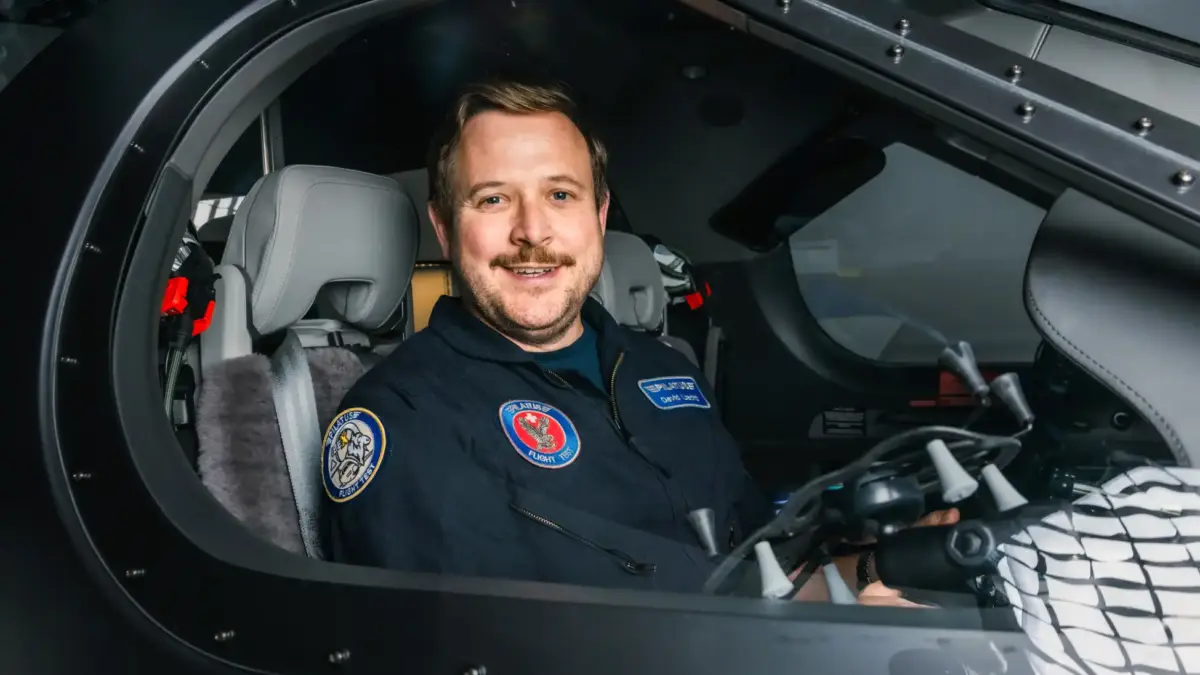
Differences training—the specialized instruction pilots need when transitioning between aircraft types—can now be accomplished largely within the simulator. This approach saves time and reduces costs while enabling focused learning regardless of weather conditions or whether the actual aircraft is available for dual instruction. David Liechti, a test pilot at Pilatus, explained the operational advantage:
This article was compiled by the CityLifeBytes editorial desk from the official announcements and reporting listed under Sources.