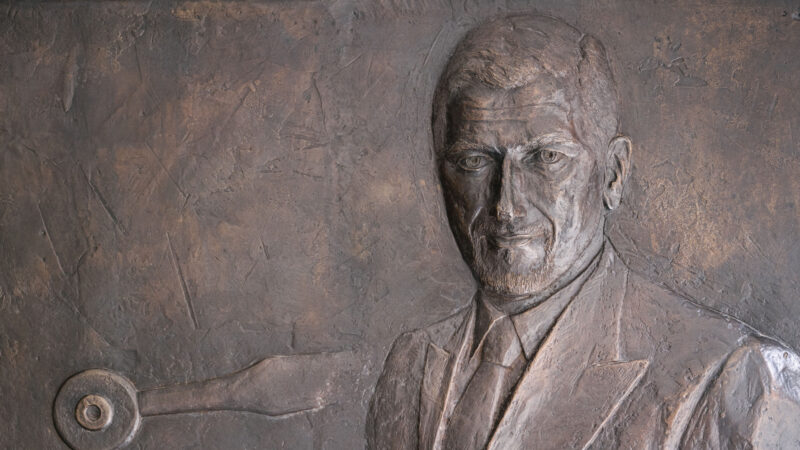
Jaeger-LeCoultre opens first Collectibles exhibition in Hong Kong with ten vintage watches
The watchmaker's curated capsule programme debuts in exhibition format, showcasing restored timepieces from the mid-20th century alongside the new Calibre 101 Chain jewellery watch.
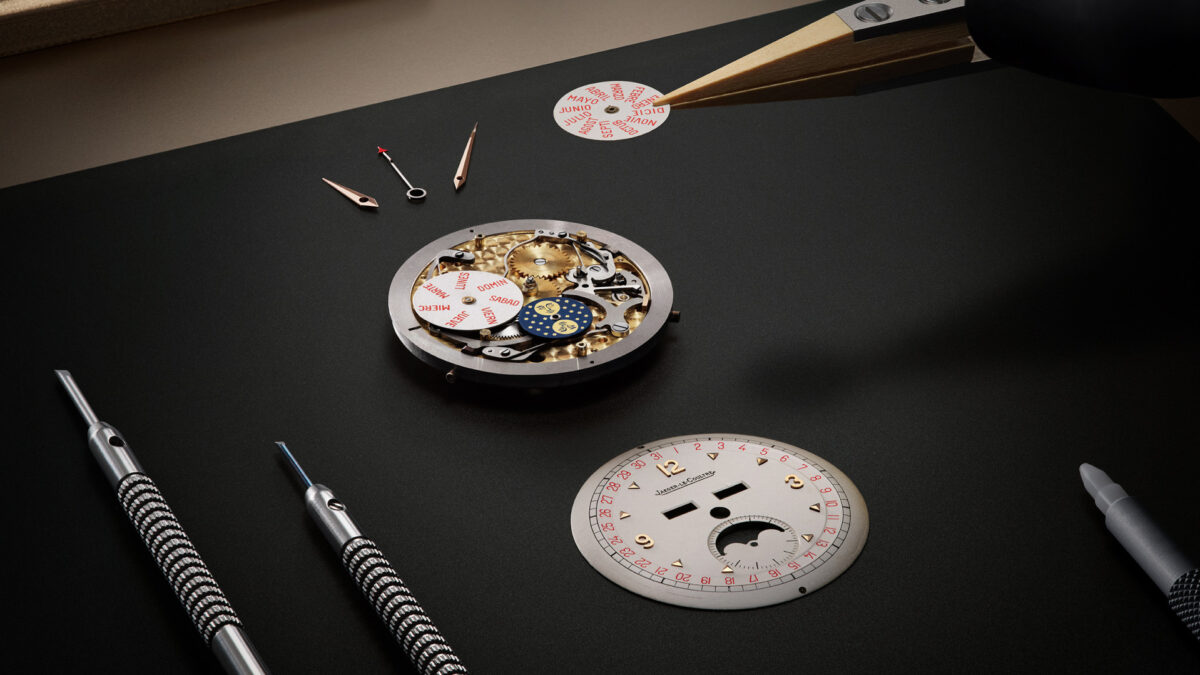
Jaeger-LeCoultre opened its first dedicated exhibition for The Collectibles programme in Hong Kong on October 13, presenting ten museum-grade timepieces for acquisition alongside the global debut of its new Calibre 101 Chain jewellery watch. The exhibition, running through October 19 with pieces also available online, marks the first time the watchmaker has mounted a standalone show for its heritage capsule programme.
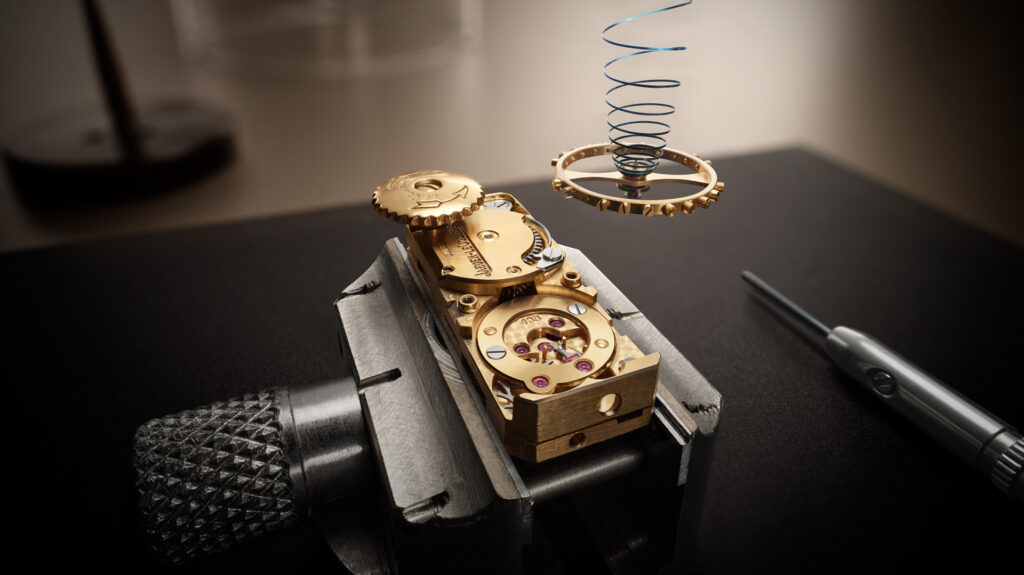
The programme draws on nearly 200 years of the house’s archives and relies on its in-house restoration workshop, where ten master watchmakers service and rebuild each piece while preserving its original character and patina.
Four chapters of watchmaking history
The Hong Kong exhibition unfolds through four thematic sections centred on emblematic Jaeger-LeCoultre models. The Duoplan, introduced in 1925, reconciled miniaturisation with chronometric precision; its 1929 Calibre 101 remains the world’s smallest manually wound mechanical movement and has been in continuous production ever since. The Memovox, launched in 1950, integrated a mechanical alarm into a wristwatch calibre and evolved through hand-wound, automatic and calendar-equipped versions. A fourth section, Precision, highlights the house’s advancement toward greater accuracy and reliability through models including the 1942 Triple Calendar and the Geophysic.
The exhibition brings together 16 pieces: eight vintage models from the house’s private heritage collection paired with eight contemporary evolutions. Visitors can observe live demonstrations of restoration techniques including hand blueing and pivot polishing, crafts performed by watchmakers at the Manufacture-Atelier.
The Calibre 101 Chain and its vintage inspiration
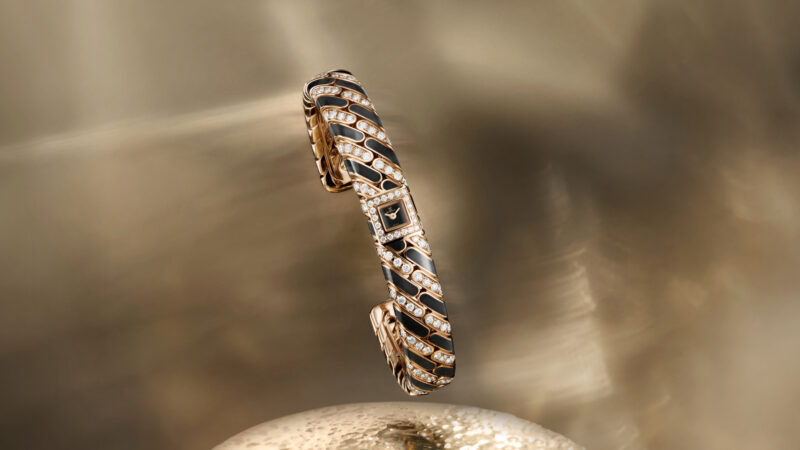
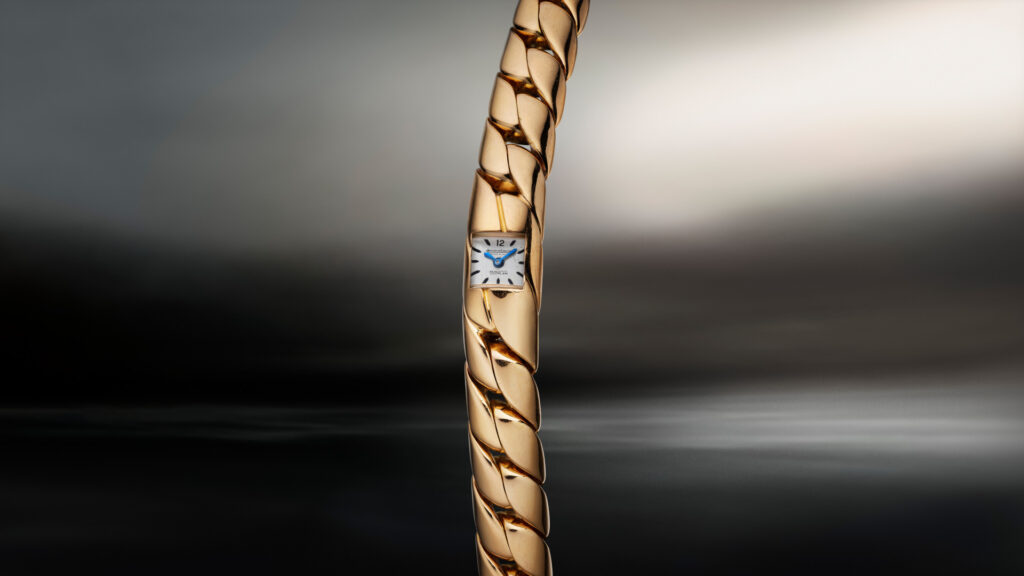
The Calibre 101 Chain, unveiled during the exhibition, houses the world’s smallest rectangular manual-winding mechanical calibre within a sculptural 18-karat pink-gold bangle set with diagonal bands of brilliant-cut white diamonds alternating with bands of black Hyceram. The display pairs it with the 1955 Duoplan Chain that inspired its design, an 18-karat pink-gold bracelet watch weighing 73.92 grams and housing Calibre 403, the original Duoplan movement for women’s watches, with heat-blued hands.
The ten capsule timepieces
The seventh capsule comprises ten museum-grade watches selected for acquisition. A circa 1950 Calibre 101 watch houses the smallest mechanical movement in a platinum case just 6.15 millimetres wide and 5.84 millimetres thick, set with 22 baguette-cut diamonds across its case and cordonnet bracelet. A circa 1949 Duoplan Tubogas secret watch pairs a ribbed 18-karat pink-gold bracelet and dial cover with an 18-karat yellow-gold case, the cover concealing the dial until revealed by the wearer. A circa 1935 single-lug Duoplan features an unusual strap attachment with a single lug on each side rather than the conventional two, paired with a custom light-brown calfskin strap finished with hand-stitching.
The exhibition remains open through October 19, with all pieces available for worldwide acquisition online beyond the live viewing period.
This article was compiled by the CityLifeBytes editorial desk from the official announcements and reporting listed under Sources.