Porsche reports strong profitability gains as focus shifts to higher-margin models
The sports-car maker posted operating profit of 1.74 billion euros in the first nine months of 2026, with an operating margin of 6.9 percent, as its Value over Volume strategy delivers results despite a 16 percent drop in customer deliveries.
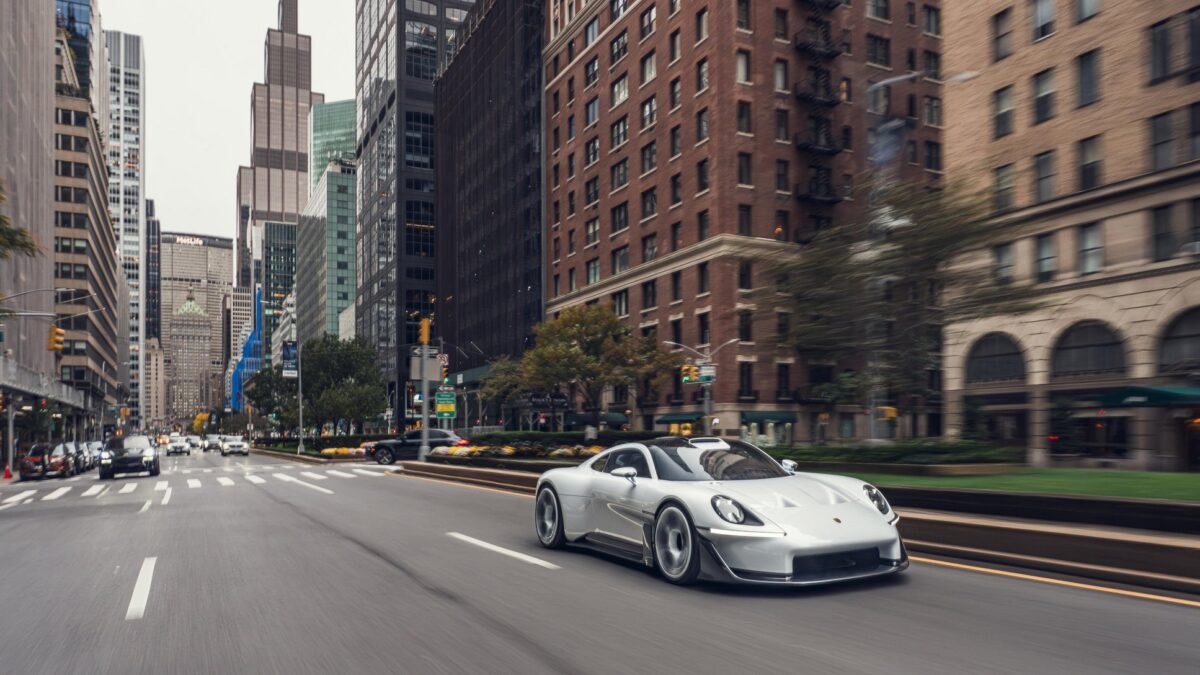
Porsche has reported a significant improvement in profitability in 2026 as its Value over Volume strategy begins to show results. The sports-car manufacturer reported operating profit of 1.74 billion euros for the first nine months of the year, with an operating margin of 6.9 percent, compared with a 0.2 percent return on sales in the same period of 2025. Sales revenue fell 5.9 percent to 25.28 billion euros, yet the company achieved higher margins through a deliberate shift toward more profitable models.
Customer deliveries fell 16.0 percent to 178,532 vehicles, yet the company maintained pricing discipline across its portfolio. North America remained the largest region by volume with 56,088 vehicles delivered, while Porsche continued to prioritise margin over market share in China, where the company said economic conditions remain challenging.
Cashflow and Balance Sheet Strength
Automotive net cashflow grew to 2.50 billion euros from 1.34 billion euros a year earlier, lifting the net cashflow margin to 11.3 percent. Much of this gain came from one-off effects: a 984 million euro inflow from the sale of Porsche’s stakes in Bugatti Rimac and the Rimac Group, which generated a 593 million euro gain. Offsetting these were charges including approximately 100 to 200 million euros for ongoing strategic restructuring, 250 million euros for pension obligations and 200 million euros in costs related to US tariffs.
Net liquidity in the Automotive segment rose to 8.23 billion euros by the end of September, an increase of 884 million euros from the close of 2025.
Strategic Consolidation and AI Ambitions
Porsche has accelerated its focus on core business activities. In August, the company agreed to sell its management consultancy subsidiary MHP to Tata Consultancy Services. According to Porsche, the two firms plan strategic collaboration in digital solutions and artificial intelligence, aimed at speeding up AI development and deployment across key business areas. The transaction is expected to close within 12 months.
Chief Executive Dr Michael Leiters framed the changes as part of the company’s Sportwagenschmiede ’35 strategy, which aims to develop emotionally engaging new products while making the organisation leaner and more agile. “Our goal is clear: higher profitability and stronger net cashflow with lower capital intensity,” he said.
Electric Vehicle Transition and Full-Year Outlook
The proportion of battery-electric vehicles in Porsche’s sales fell to 21.7 percent from 23.1 percent a year earlier, a decline the company attributed to the winding down of strong 2025 demand for the all-electric Macan. Looking ahead, Porsche expects electric vehicles to represent 24 to 26 percent of full-year deliveries in 2026.
The company reaffirmed its full-year guidance despite continued economic headwinds and geopolitical uncertainty. Porsche forecasts Group sales revenue between 35 and 36 billion euros, an operating return on sales of 5.5 to 7.5 percent, and an Automotive EBITDA margin of 15 to 17 percent. The Automotive net cashflow margin is now expected to be 5.5 to 7.5 percent, a figure that incorporates the one-off Bugatti Rimac sale proceeds and the 250 million euro pension funding.
This article was compiled by the CityLifeBytes editorial desk from the official announcements and reporting listed under Sources.